


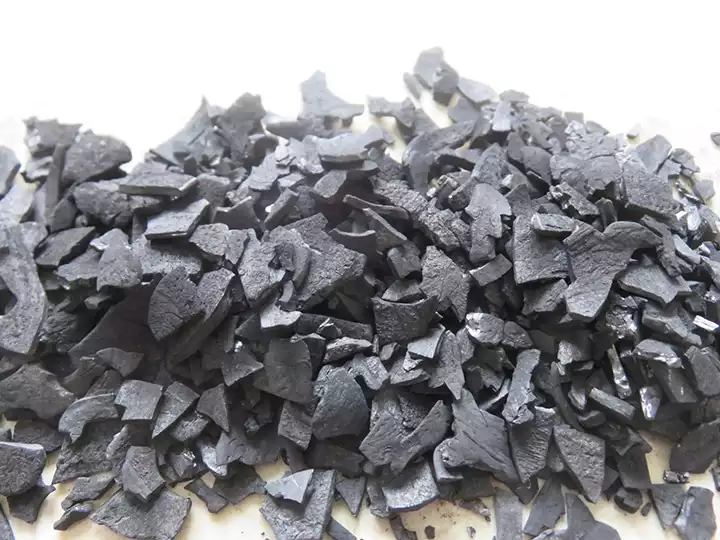
Starting a coconut charcoal business opens the door to a profitable and environmentally friendly global market. The industry transforms agricultural waste coconut shells into high value, clean burning briquettes used worldwide. To succeed, entrepreneurs must focus on sourcing, production, quality control, and export strategy. Understanding market niches such as shisha or premium BBQ helps shape a strong business foundation and minimizes early risks.
Market Demand and Sourcing Strategy
A reliable coconut charcoal business begins with securing a steady supply of high quality coconut shells. Indonesia’s vast plantations make it the ideal base for long term sourcing. Entrepreneurs should build clear agreements with local suppliers to ensure consistent volume, stable pricing, and dependable quality. Global demand for low ash, high purity charcoal continues to rise, especially in the Middle East, Europe, and the U.S. Meeting this demand with superior products increases market acceptance and supports strong, consistent profit margins. For connecting with verified Indonesian suppliers and navigating this high demand global market, visit jacoid.com.
Mastering Production and Quality Control
Production quality plays a crucial role in determining the success and credibility of your coconut charcoal business. Every batch must consistently meet buyer expectations to compete in premium international markets.
Each production stage from drying and carbonizing to mixing and pressing must follow strict standards to achieve uniformity and high performance. Maintaining these standards ensures the briquettes meet global requirements for quality, safety, and reliability.
Implementing Advanced Pyrolysis Technology
Modern producers use controlled pyrolysis kilns to achieve uniform carbonization and maximize fixed carbon levels. Standardized grinding, mixing, and high pressure pressing ensure density and strength. Using natural binders like tapioca starch maintains product purity, making the briquettes safe for premium export markets. Routine lab testing for ash, moisture, and burn time reinforces buyer trust and ensures consistent quality.
Financial Planning and Legal Framework
A strong financial plan outlines startup costs, long term profitability, and ROI projections. This helps guide decisions on pricing, production scaling, and market targeting.
Securing Legal Compliance and Investment
Startup funding typically covers land, factory construction, machinery, and initial raw materials. Legal compliance is essential for export operations companies must be registered, licensed, and fully permitted. Because charcoal may be classified as Dangerous Goods (DG), obtaining the SHT Certificate and MSDS is critical. Transparent financial reporting also helps attract investors and supports long-term expansion.
Sales, Export, and Scaling the Business
Once production is stable, the next step is building strong international sales channels. This includes joining B2B platforms, attending trade fairs, and creating a multilingual, professional website. Understanding Incoterms, container loading, documentation, and logistics ensures smooth export operations.
For more detailed export steps, entrepreneurs can follow trusted industry guides that explain how to expand internationally with confidence.
Conclusion
A successful coconut charcoal business relies on balanced attention to every core element of the operation starting from ethical raw material sourcing, adopting modern production technology, ensuring full legal compliance, and mastering export logistics. Each component plays a critical role in establishing trust, maintaining product consistency, and meeting the strict demands of international buyers. Understanding How to Export Briquettes also becomes an essential foundation, especially for businesses aiming to scale their products into premium global markets.
When these pillars work together seamlessly, businesses can expand confidently into global markets, build long term partnerships, and protect their reputation with high quality, reliable products. With the right strategy and commitment to continuous improvement, a coconut charcoal business can achieve sustainable growth and long-term profitability in this rapidly expanding international industry.