



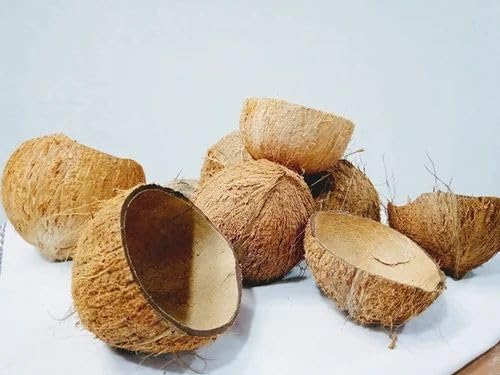
In the global search for sustainable fuel, Coconut husk charcoal briquettes have emerged as a high performance alternative to traditional wood charcoal. Manufacturers utilize the fibrous outer shell (husk) of the coconut to create a dense, energy rich solid fuel. While shell based briquettes are more common, the husk variant offers unique properties in terms of rapid ignition and volume. This renewable energy source transforms what was once considered agricultural waste into a valuable commodity, supporting the circular economy and reducing environmental impact actively.
Production Standards Why Husk Briquettes Matter
The manufacturing of Coconut husk charcoal briquettes requires a sophisticated approach to carbonization to ensure the final product meets industrial heat requirements actively.
High Density Carbonization Process
Producers start by carbonizing the raw husk in controlled, low-oxygen environments. Specifically, they use specialized kilns to maximize the carbon yield while minimizing smoke and volatile impurities. This process results in a charred material that manufacturers then mill into a fine powder. Furthermore, this fine powder allows for tighter compression during the briquetting stage, which increases the overall density and burning duration of the fuel consistently.
Eco-Friendly Binding Techniques
To form the final shape, producers mix the husk powder with natural binders, such as organic starch. Significantly, this ensures that the briquettes remain chemical free and non toxic during combustion. Unlike fossil fuels, Coconut husk charcoal briquettes do not release harmful sulfur or heavy metals. Consequently, they represent a safer choice for both indoor heating and outdoor industrial applications effectively.
Performance Efficiency Comparing Heat and Burn
Industry experts value Coconut husk charcoal briquettes for their specific thermal characteristics and user friendly burn profile actively.
Rapid Ignition and Steady Heat
The fibrous nature of the husk allows these briquettes to ignite more quickly than dense shell charcoal. Moreover, once ignited, they provide a steady and predictable heat output. This makes them ideal for industrial boilers and large scale catering where rapid start up times are essential. Therefore, users benefit from a more efficient workflow and reduced fuel consumption over long periods effectively.
Minimal Ash and Clean Combustion
A primary advantage of this biomass fuel is its low ash residue, typically staying. Ultimately, low ash content prevents the clogging of grates and reduces the labor required for maintenance. This clean burning profile confirms that coconut briquettes clean energy is not just a marketing term but a verifiable technical standard for modern solid fuels consistently.
Strategic Sourcing Global Export Potential
As the demand for green fuel rises, Coconut husk charcoal briquettes offer a scalable solution for international importers actively.
Sustainable Supply Chain Resilience
Coconut producing regions generate millions of tons of husks annually, ensuring a nearly inexhaustible raw material supply. Thus, importers who secure these products enjoy a stable supply chain that does not rely on cutting down trees. This environmental advantage allows brands to market themselves as eco conscious leaders in their respective industries.
Compliance and Export Safety
Reliable exporters must ensure that their products pass the Self Heating Test (SHT) to comply with international maritime safety laws. In addition, they must provide full transparency regarding the Fixed Carbon levels and moisture content. For more information on sourcing high grade biomass products, visit the Jacoid.com.
Conclusion
Adopting Coconut husk charcoal briquettes represents a smart move for businesses seeking to balance performance with sustainability. These briquettes offer a clean, efficient, and renewable alternative to traditional fuels. By integrating coconut briquettes clean energy into your supply chain, you contribute to a greener planet while maintaining high operational standards.